

The Hidden Financial Time Bomb
An emergency room visit after a major accident is terrifying, but it is often just the opening chapter of a much longer financial journey. When someone suffers a traumatic brain injury, immediate medical care usually focuses on stabilizing the patient, managing intracranial swelling, and ruling out life-threatening complications. The initial hospital bills are staggering on their own. However, focusing solely on emergency room costs ignores a massive financial reality.
Unlike a simple fracture that heals after six weeks in a cast, neurological damage rarely follows a predictable schedule. Symptoms like severe cognitive fatigue, executive dysfunction, and memory loss frequently emerge months after discharge. The true cost of a head injury is not measured in days or weeks, but over decades. To protect a family from long-term financial hardship, any legal recovery must account for a lifetime of care rather than short-term emergency treatment.
The High Stakes of Premature Settlements
Insurance companies move fast following an accident, and that speed is deliberate. Insurance adjusters often reach out to victims while they are still in early recovery, offering a lump-sum settlement that seems generous at first glance. These early offers are intended to cover past hospital bills and a few weeks of lost wages.
Accepting an early offer is a dangerous trap. Once a settlement agreement is signed, the victim signs away their legal rights forever for the case. If new symptoms develop a year later or the patient requires permanent, daily care, they cannot go back to the insurance company to ask for additional funds.
Many brain injuries, especially those initially classified as mild concussions, can evolve into chronic medical conditions. Neurological damage can trigger depression, early-onset dementia, and persistent motor issues. Consultation with experienced brain injury attorneys ensures that victims do not sign away their rights before understanding the true medical trajectory of their injury.
The Master Blueprint: What Is a Life Care Plan?
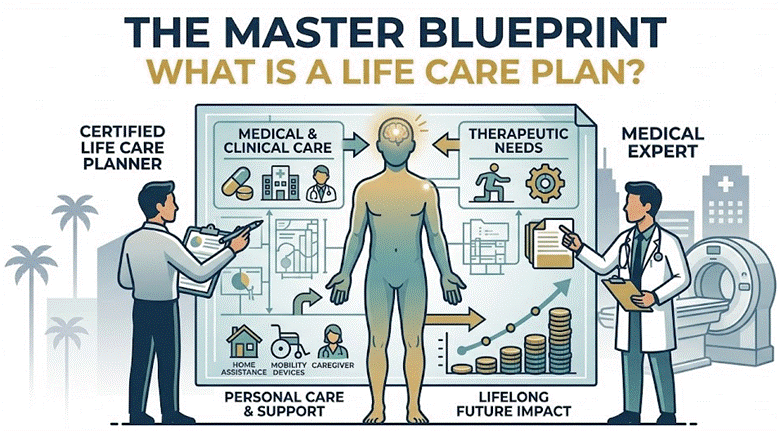
Accurately estimating the lifelong financial impact of a neurological injury requires a structured document known as a Life Care Plan. Certified Life Care Planners work alongside medical experts to outline every medical, personal, and therapeutic need a person will have throughout their remaining life expectancy.
According to Santa Ana brain injury law firm Vaziri Law, a comprehensive plan accounts for several major categories of ongoing expense:
- Medical and Clinical Care: Routine visits with neurologists, psychiatrists, and pain specialists, along with lifelong prescription management.
- Rehabilitation Therapies: Continuous physical, speech, occupational, and cognitive restoration therapy to maintain existing functions.
- In-Home Attendant Care: Costs for personal care assistants, private nurses, or adult day care when independent living is no longer viable.
- Assistive Technology and Renovations: Necessary modifications like home wheelchair ramps, widened doorways, specialized beds, and adaptive vehicles.
Calculating “Invisible” Economic Loss: Earning Capacity
Direct medical care is only one side of the financial ledger. The loss of personal income often hits families just as hard. There is a critical difference between missing a few months of work and suffering a permanent loss of future earning capacity.
When a head injury prevents a person from returning to their previous job or climbing their career ladder, forensic economists step in. These specialists analyze historical earning data, expected career advancement, industry growth trends, and inflation. They calculate what the victim would have earned over their entire working lifespan versus what they are capable of earning now. This calculation ensures the settlement replaces decades of lost income, health benefits, and retirement savings.
Non-Economic Damages: The Human Cost
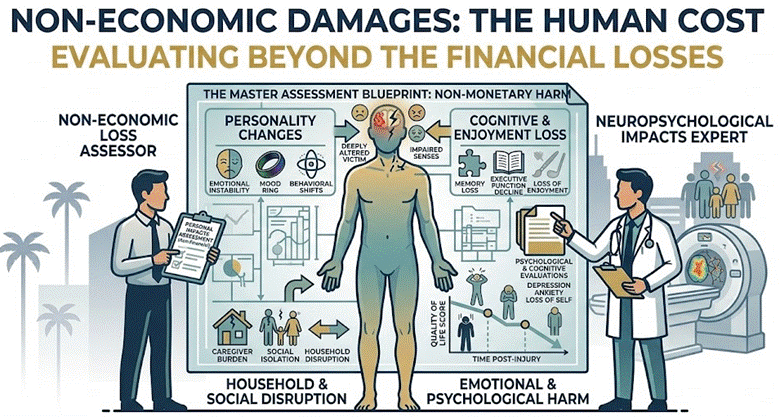
Financial losses extend far beyond edical expenses and lost paychecks. The non-economic harm caused by brain trauma deeply alters the victim and their household dynamic.
Severe head injuries often cause fundamental personality shifts, chronic frustration, and loss of emotional regulation. Victims may lose their ability to enjoy personal hobbies or interact with family as they once did. Legal teams calculate these non-economic damages to address the profound emotional strain, loss of independence, and reduced quality of life. Furthermore, claims can account for loss of consortium, which addresses the damage done to a marital relationship when a spouse becomes a full-time caregiver.
Securing Adequate Representation
Building a legal claim for a lifelong injury demands specialized knowledge. General personal injury lawyers may lack access to the medical and economic experts needed to quantify these complex losses. Brain injury claims require legal professionals who regularly collaborate with neurologists, vocational specialists, and life care planners.
Before signing any paperwork or agreeing to a settlement, consulting a dedicated legal directory can connect victims with attorneys who possess the specific skill set required to litigate complex neurological cases. Securing proper legal support is the most effective way to protect a family’s financial future after a devastating injury.


