

Defining Legal and Insurance Protection for Virginia Residents
Life in Virginia, from the bustling streets of Richmond to the vibrant waterfront of Norfolk, often brings unexpected challenges. A sudden car accident, a complex property dispute, or the need for careful estate planning can quickly lead to overwhelming legal situations. Many of us find ourselves concerned about the high costs of legal assistance, with attorney hourly rates in May 2026 often around $400. This financial worry can prevent us from seeking the expert legal support we truly need.
But what if you could proactively prepare for these moments? What if you had a clear strategy to manage the financial burdens of legal fees and accident-related expenses? This is precisely where legal and insurance protection becomes invaluable.
In this comprehensive guide, we will explore how these vital protections can safeguard your future. We’ll delve into the key differences between legal protection insurance and liability insurance. We will also examine the diverse types of legal issues typically covered, ranging from common traffic violations to serious personal injury claims. We aim to empower you with the knowledge to make informed decisions about your legal and insurance accident bills and navigate life’s legal complexities with confidence. Join us as we uncover the true value of being prepared.
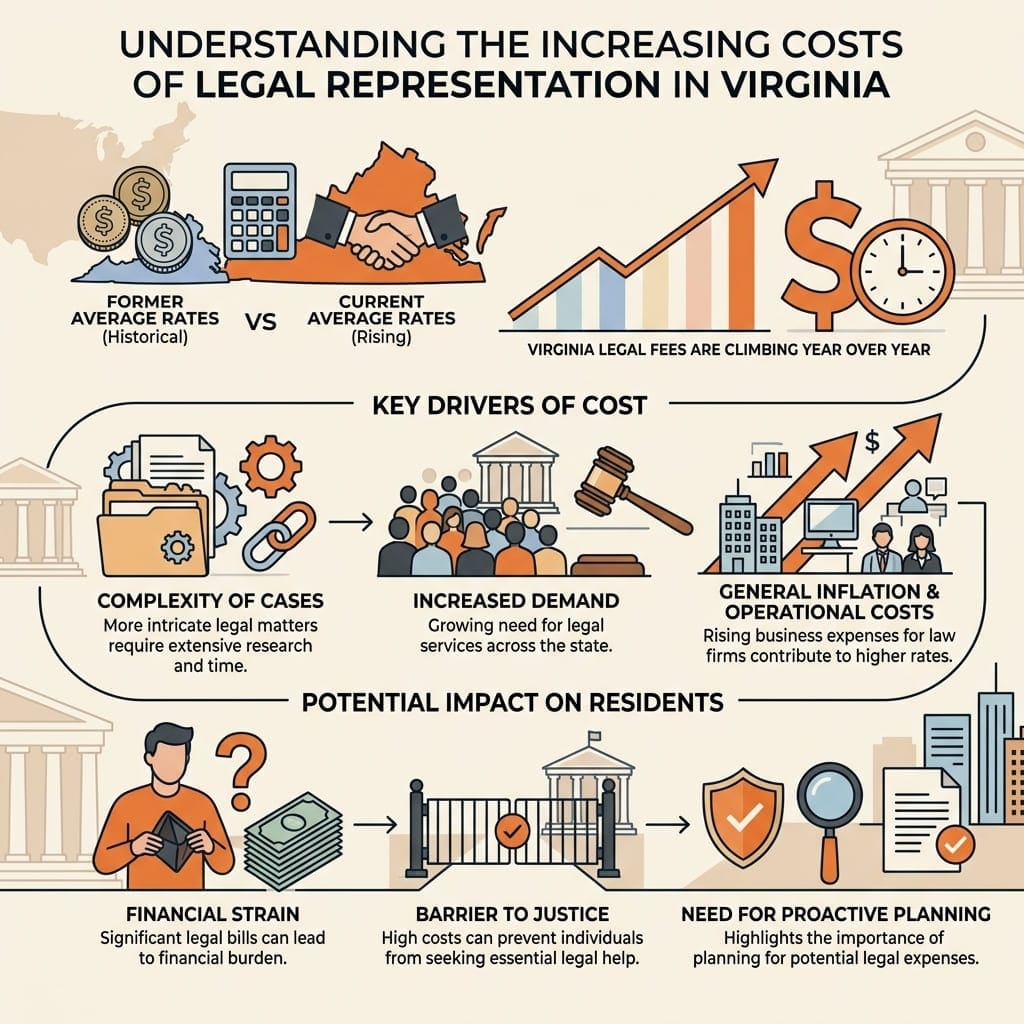
In an increasingly complex legal landscape, understanding what constitutes legal and insurance protection is paramount for Virginia residents. Often referred to as legal expenses insurance or prepaid legal services, this type of coverage offers a proactive approach to managing potential legal costs. Instead of facing exorbitant hourly attorney rates—which can average around $400 in May 2026—individuals pay a relatively small annual premium for access to legal services. For instance, some plans, like the MetLife Legal Plan, offer comprehensive coverage for an entire year for approximately $200. This makes legal assistance significantly more accessible and affordable.
This form of protection is designed to cover the costs associated with legal advice, document review, consultation, and even court representation for a wide array of issues. It functions much like health insurance, where a monthly or annual fee grants you access to a network of professionals at a reduced or no additional cost. This model helps democratize access to justice, ensuring that financial constraints do not prevent individuals from asserting their rights or resolving disputes.
The premise is straightforward: legal issues can arise unexpectedly, and two out of three employees, for example, face a legal issue each year. Having a plan in place means you’re prepared. This proactive legal care can include anything from reviewing complex documents for significant life events, such as buying a home or adopting a child, to providing guidance on consumer protection issues. Many Richmond City law firms recognize the value of these plans in providing a baseline of legal support to their communities. For more local insights into comprehensive legal planning, exploring options for Newtown legal and insurance protection can offer valuable perspectives.
Understanding the Scope of Legal and Insurance Protection
The scope of legal protection insurance is broad, encompassing many aspects of civil law that individuals might encounter. It typically covers a range of issues that can otherwise lead to significant financial strain if handled through traditional hourly billing. These include, but are not limited to:
- Civil Litigation: Assistance with disputes that don’t involve criminal charges, such as disagreements over property, consumer rights, or small claims.
- Contract Disputes: Guidance and representation when there are disagreements arising from contracts, whether it’s with a service provider, landlord, or employer.
- Identity Theft: Legal support to help victims navigate the complex process of restoring their identity and recovering from financial fraud.
- Consumer Rights: Protection against issues like false advertising, faulty products, or unfair business practices, ensuring individuals can assert their rights as consumers.
- Estate Planning: Coverage for drafting essential documents like wills, trusts, and powers of attorney, crucial for securing one’s legacy and wishes.
- Family Law: While often with limitations, some plans offer initial consultations or assistance with certain aspects of family law, such as divorce, adoption, or child custody matters.
For Virginia residents, understanding how these plans interact with state-specific statutes is crucial. Many plans are designed to provide access to attorneys familiar with local laws, ensuring relevant and effective counsel. This proactive approach allows individuals to address potential problems before they escalate, potentially saving thousands in future legal fees. For those seeking to secure their legal future, researching providers that offer robust Newtown legal and insurance protection can be a prudent step.
How Legal and Insurance Protection Handles Traffic and Injury Cases
Legal protection insurance can be particularly beneficial when navigating the complexities of traffic violations and personal injury cases. These are common occurrences that can have significant legal and financial repercussions.
For traffic violations, legal protection plans often cover:
- Speeding Tickets and Moving Violations: Representation for infractions that could lead to fines, points on your license, or increased insurance premiums. This is especially relevant on busy Virginia thoroughfares like I-64, where moving violations are frequent.
- Reckless Driving Defense: More serious traffic offenses, such as reckless driving, can carry severe penalties, including jail time. Legal protection can provide access to attorneys who can defend against these charges, helping to mitigate the potential consequences.
- Administrative Hearings: Beyond court appearances, many traffic issues involve administrative hearings with the Department of Motor Vehicles (DMV), which legal protection can also cover. For instance, navigating Norfolk traffic court can be a daunting process without legal counsel.
In the realm of personal injury, while legal protection insurance typically focuses on covering the policyholder’s legal expenses rather than liability to others, it can still play a vital role. It can provide:
- Initial Consultations: Access to attorneys for advice following an accident, helping you understand your rights and the best course of action.
- Document Review: Assistance with reviewing accident reports, insurance claims, and other critical documents related to an injury.
- Guidance on Claims Process: Support in understanding how to file a claim, what information is needed, and how to interact with insurance companies. This can be crucial in managing legal and insurance accident bills and ensuring you receive fair compensation for injuries and damages.
For serious personal injury cases, many attorneys work on a contingency fee basis, meaning they only get paid if you win your case. However, legal protection insurance can still offer valuable early-stage advice and support that complements traditional personal injury representation, helping to clarify options and prepare for the legal journey ahead.
The Critical Difference Between Liability and Legal Protection Insurance
While both liability insurance and legal protection insurance offer crucial safeguards, they serve fundamentally different purposes and protect distinct interests. Understanding this distinction is key to building a comprehensive risk management strategy.
Liability Insurance (Third-Party Protection): Liability insurance, also known as third-party insurance, is designed to protect you from claims made by others who allege that your actions or negligence caused them harm, injury, or property damage. Its primary function is to cover the costs you would be legally obligated to pay to a third party.
- Focus: Protecting the policyholder from financial losses due to their legal responsibility to others.
- Coverage: Typically includes legal defense costs (even if you are found not liable), settlements, and judgments awarded to the injured party.
- Examples: Auto liability insurance (covers damage you cause to another car or injuries to another driver/passenger), homeowner’s liability insurance (covers injuries sustained by a guest on your property), professional liability insurance (covers claims of negligence in professional services).
- Mechanism: When a claim is filed against you, your liability insurer has a “duty to defend” you and the authority to settle claims on your behalf, up to your policy limits.
The global liability insurance market, valued at over $25 billion in 2021, is projected to reach $433 billion by 2031, highlighting its widespread importance in shielding individuals and businesses from significant financial risks. For a deeper dive into this essential coverage, Investopedia offers a Complete Guide to Liability Insurance: Definition, Types, and Function.
Legal Protection Insurance (First-Party Protection): In contrast, legal protection insurance (also called legal expenses insurance or prepaid legal services) is designed to protect your own interests and cover your legal costs when you need to initiate legal action or defend yourself against claims that are not covered by liability insurance.
- Focus: Providing the policyholder with access to legal advice and covering their expenses for various legal issues.
- Coverage: Includes attorney fees, court costs, expert witness fees, and sometimes even the opposing party’s costs if you lose a case, depending on the policy.
- Examples: Assistance with contract disputes, employment issues, consumer rights claims, identity theft recovery, estate planning, and defense against traffic violations.
- Mechanism: You pay a premium, and in return, you gain access to a network of attorneys or reimbursement for legal services related to covered events.
Here’s a table summarizing the key differences:
Feature Liability Insurance Legal Protection Insurance Primary Beneficiary Third parties injured by the policyholder The policyholder (first party) Purpose Defends against claims against the policyholder Covers costs for legal action by or for the policyholder Trigger Event Policyholder causes harm/damage to another Policyholder needs legal advice/representation for their own issues Common Use Cases Car accidents, slip-and-falls, professional errors Estate planning, contract disputes, traffic tickets, employment issues “Duty to Defend” Yes, for claims against the policyholder No, provides access to legal services for the policyholder’s needs Settlement Authority Insurer often has authority to settle Policyholder retains control over legal decisions (with counsel) Liability insurance protects your assets by paying out to others when you are at fault, while legal protection insurance protects your financial well-being by covering your legal expenses when you need to engage with the legal system. Both are vital components of a comprehensive strategy for asset shielding and navigating legal challenges, especially in areas like Richmond where diverse insurance requirements exist.
Navigating Personal Injury Claims and Asset Protection in Norfolk
For residents of Norfolk, understanding how legal and insurance protection intersects with personal injury claims and asset protection is crucial. The aftermath of an accident, particularly one resulting in personal injury, can be a complex and emotionally taxing period. While legal protection insurance primarily covers your own legal expenses, its role in the broader context of personal injury is often about providing initial guidance and managing the peripheral costs that can arise.
When a personal injury occurs, such as from a car accident on Waterside Drive or a slip-and-fall incident, the immediate concern is often medical treatment and recovery. However, the legal and financial implications quickly follow. Legal protection plans can offer invaluable early support, connecting you with attorneys who can:
- Advise on Initial Steps: Guide you through reporting the accident, dealing with police, and understanding your rights.
- Review Documentation: Help scrutinize accident reports, medical bills, and initial communications from insurance companies.
- Manage Accident-Related Bills: While personal injury attorneys often work on contingency for the main claim, legal protection can assist with understanding and managing various legal and insurance accident bills that arise, ensuring you’re not left in the dark about financial obligations.
Beyond the immediate accident, asset protection becomes a significant consideration. Serious injuries can lead to substantial medical expenses, lost wages, and long-term care needs. In such cases, your personal injury claim aims to recover these damages. However, what if the at-fault party’s insurance coverage is insufficient? This is where underinsured motorist (UIM) coverage becomes critical. UIM coverage, part of your own auto insurance policy, steps in when the other driver’s liability limits are exhausted and don’t fully cover your damages. Understanding and having adequate UIM coverage is a cornerstone of protecting your assets and ensuring you’re not left with outstanding costs. We strongly advocate for Protecting Yourself Understanding Underinsured Motorist Coverage to safeguard your financial future.
In tragic cases of wrongful death, Virginia’s statutes allow certain family members to seek compensation for their losses. Navigating wrongful death claims in the Norfolk circuit court procedures requires specialized legal expertise, and while legal protection insurance might not cover the full cost of such litigation, it can provide initial access to counsel to explore options and understand the complex legal framework.
Common Exclusions in Legal and Insurance Protection Policies
While legal protection insurance offers extensive benefits, it’s equally important to understand its limitations and common exclusions. These are specific situations or types of legal issues that the policy will not cover, or for which coverage is restricted. Being aware of these can prevent misunderstandings and ensure you have realistic expectations of your plan.
Common exclusions often include:
- Intentional Acts: Legal protection policies typically do not cover legal issues arising from intentional criminal acts committed by the policyholder. This aligns with the principle that insurance is designed for unforeseen events, not deliberate wrongdoing.
- Business Ventures: Legal issues related to your business, professional activities, or commercial enterprises are usually excluded from personal legal protection plans. Separate business legal insurance or professional liability policies are required for these matters.
- Felony Defense: While some plans may offer limited coverage for misdemeanor defense or traffic violations, defense against felony charges is generally excluded due to the severity and complexity involved.
- Existing Disputes: Legal protection insurance is designed for future, unforeseen legal events. Disputes that were already known or ongoing before you enrolled in the policy, or before a specified waiting period ends, are typically not covered.
- Waiting Periods: Most policies have a “waiting period” (e.g., 30, 60, or 90 days) from the enrollment date before certain types of coverage become active. This prevents individuals from signing up only when a legal problem is imminent.
- Divorce and Family Law Limitations: While some plans offer initial consultations or document preparation for family law matters, full litigation for divorce, child custody battles, or complex family disputes is often excluded or subject to strict limitations and higher co-pays.
- Tax Litigation: Disputes with tax authorities or complex tax planning issues are generally not covered, as these often require specialized tax attorneys.
- Disputes Below a Threshold: Some policies may have a minimum monetary threshold for a dispute to be covered, meaning very small claims might not qualify for assistance.
- Class Actions or Appeals: Participation in class-action lawsuits or the costs associated with appealing a court decision may also be excluded or limited.
It’s crucial to thoroughly review the specific terms and conditions of any legal protection policy, including its Coverage Analysis, to understand exactly what is and isn’t covered. This due diligence ensures that the chosen plan aligns with your potential legal needs and avoids unexpected out-of-pocket expenses.
Strategic Enrollment and Maximizing Policy Benefits
Strategic enrollment in a legal protection plan, coupled with a clear understanding of how to maximize its benefits, can significantly enhance your financial and legal security. For many, the most common entry point for legal protection insurance is through workplace benefits. Employers increasingly offer these plans as part of their comprehensive benefits package, recognizing the value of reducing employee stress related to legal issues.
Open enrollment periods, typically in the fall (October-November), are the prime time to sign up for these plans. This is when you can elect to add legal services to your benefits portfolio. However, if you miss open enrollment, you might still be able to enroll during a qualifying life event (QLE). These events, such as marriage, the birth or adoption of a child, divorce, or a change in employment status, often trigger a special enrollment period, allowing you to sign up outside the standard window. It’s always advisable to check with your HR department for specific details regarding QLEs and enrollment procedures.
Once enrolled, maximizing your policy’s benefits largely revolves around understanding and utilizing the network attorney advantages. Legal protection plans operate with a network of pre-screened, credentialed attorneys who have agreed to provide services at negotiated rates. When you use a network attorney for a covered matter, you typically experience:
- No Bills, Deductibles, or Claims Forms: For many covered services, using a network attorney means you won’t receive a bill, pay a deductible, or need to fill out complex claims forms. This streamlines the process and eliminates financial surprises.
- Pre-negotiated Rates: The fees for services are already established, providing cost certainty and often covering the full cost of the service as per your plan’s terms.
- Ease of Access: Plans often provide an easy way to find and connect with network attorneys, either through online portals, phone services, or concierge assistance.
While network attorneys offer significant advantages, some plans also allow for out-of-network reimbursement. This means if you prefer to use your own attorney who is not part of the plan’s network, the policy might reimburse you for a portion of their fees, up to a certain limit. It’s essential to understand the deductible structures and reimbursement percentages for out-of-network services, as they can vary widely.
The claim filing process for legal protection insurance is generally straightforward. Typically, you contact your plan provider, explain your legal issue, and they guide you to a network attorney or explain the reimbursement process for out-of-network options. The goal is to make legal assistance as accessible and hassle-free as possible.
For those considering legal protection, it’s worth noting that the concept is well-established globally. For example, in Switzerland, Legal protection insurance for private individuals | Zurich Switzerland highlights similar benefits, emphasizing access to expert networks and comprehensive coverage for personal legal disputes. This global perspective underscores the value of such plans in promoting peace of mind and supporting overall well-being, a sentiment increasingly echoed in Richmond employee wellness programs.
Frequently Asked Questions about Legal Coverage
As we consider the role of legal and insurance protection in our lives, several common questions arise. Let’s address some of the most frequent inquiries to provide a clearer picture of this valuable resource.
Is legal and insurance protection worth the annual cost?
Many individuals ponder whether paying an annual premium for legal protection insurance is a worthwhile investment, especially if they don’t anticipate immediate legal issues. The consensus among those who utilize these plans is a resounding yes. Consider the numbers: with average attorney hourly rates around $400 in May 2026, even a single hour of legal consultation can cost more than an entire year’s premium for some plans. For instance, a MetLife Legal Plan might cost around $200 annually.
The value proposition extends beyond simple cost savings. It’s about:
- Cost-Benefit Analysis: Proactive legal advice can prevent minor issues from escalating into costly legal battles. Having a lawyer review a contract or provide advice on a dispute can save thousands in potential litigation fees down the line.
- Peace of Peace of Mind: Knowing you have access to legal expertise whenever needed provides significant psychological comfort. This peace of mind is invaluable, allowing you to navigate life’s complexities with less stress.
- Access to Justice: For many, the high cost of traditional legal services is a barrier to justice. Legal protection plans break down this barrier, ensuring that financial status doesn’t dictate your ability to seek legal counsel.
- 2026 Legal Fee Projections: With legal costs consistently rising, locking in access to affordable legal services through a plan becomes an even more prudent financial decision for the future.
The decision rests on individual circumstances, but for most, the relatively low annual premium offers substantial protection against potentially devastating legal costs.
How does the plan handle family law and estate planning?
Legal protection plans are particularly beneficial for family law and estate planning matters, which are common life events that often require legal guidance. While coverage can vary, most plans offer significant support in these areas:
- Wills and Trusts: A cornerstone of estate planning, plans typically cover the drafting or updating of a last will and testament, living wills, and various types of trusts. This ensures your assets are distributed according to your wishes and can help avoid complex and costly probate court proceedings in places like Richmond.
- Powers of Attorney: Coverage often includes preparing durable powers of attorney for finances and healthcare, allowing you to designate someone to make decisions on your behalf if you become incapacitated.
- Adoption: For families looking to grow, legal protection can assist with the legal processes involved in adoption, providing guidance and document preparation.
- Prenuptial Agreements: For those entering marriage, plans can cover the drafting or review of prenuptial agreements, helping to protect individual assets and clarify financial expectations.
- Divorce and Child Custody: While full litigation for contentious divorce or child custody battles might be limited or excluded, many plans offer initial consultations, mediation services, or assistance with uncontested divorces and related document preparation. This can be a crucial first step in navigating these sensitive issues.
Having a plan in place for these matters is not just about addressing disputes; it’s about proactive planning for life’s significant milestones and ensuring your family’s future is secure. For those in Virginia Beach contemplating future financial and legal arrangements, consulting resources on Virginia Beach Asset Protection Lawyer can offer additional insights into comprehensive planning.
Can I choose my own lawyer with these plans?
The ability to choose your own lawyer is a significant consideration for many when evaluating legal protection plans. The answer often depends on the specific policy and provider, but generally, there are a few common scenarios:
- Network Participation: Most legal protection plans operate on a network model. They have an extensive roster of pre-screened, credentialed attorneys and law firms (some providers boast networks of over 22,000 attorneys across more than 15,000 firms) that participate in their program. When you have a covered legal issue, you are typically directed to choose a lawyer from this network. Using a network attorney usually ensures the most comprehensive coverage with no additional out-of-pocket costs for covered services.
- Freedom of Choice Clauses: In some jurisdictions, particularly in Europe, “freedom of choice” clauses are mandated, meaning policyholders have the right to choose their own lawyer, even if they are not part of the insurer’s network. In the U.S., while not universally mandated, some plans offer this flexibility.
- Out-of-Network Reimbursement: If you prefer to use an attorney outside the plan’s network, many policies offer an “out-of-network” benefit. In this scenario, you would typically pay the attorney directly, and then the plan would reimburse you for a portion of the fees, up to a specified limit. This provides flexibility but may involve more upfront costs and paperwork.
- Referral Services: Even if a plan primarily uses a network, they often provide referral services to help you find an attorney specializing in your specific legal need. These services aim to connect you with qualified legal professionals, whether in their network or through a vetted referral.
For residents in areas like Norfolk, the availability of a robust local legal network within the plan is a key factor. Providers often emphasize their successful member connection rates (e.g., 98.1% successful connections), indicating a strong ability to match members with appropriate legal counsel. It’s always best to review the specific terms of a plan regarding attorney selection to ensure it aligns with your preferences and needs.
Conclusion
When legal challenges can emerge unexpectedly and legal costs continue to climb, embracing comprehensive legal and insurance protection is not just a luxury—it’s a strategic necessity. From the vibrant communities of Richmond to the coastal resilience of Norfolk, individuals and families face a myriad of legal situations that demand expert guidance. With average attorney hourly rates making traditional legal services prohibitive for many, prepaid legal plans offer an accessible and affordable pathway to justice and peace of mind.
We have explored the critical distinctions between liability insurance, which shields you from claims made by others, and legal protection insurance, which empowers you to assert your own legal rights and manage your own legal expenses. We’ve seen how these plans cover a broad spectrum of issues, from routine traffic violations and essential estate planning to complex family law matters and the initial guidance needed for personal injury claims.
By understanding the benefits of strategic enrollment—whether through workplace benefits or during qualifying life events—and by leveraging the advantages of network attorneys, you can maximize the value of your policy. While exclusions exist, the overall scope of coverage provides a robust defense against the financial burdens of legal entanglements.
Investing in legal and insurance protection is an investment in your long-term financial security and comprehensive risk management. It’s about future-proofing your assets and ensuring that when life throws an unexpected legal curveball, you are not left unprotected. For the safety and well-being of the Richmond community and beyond, being prepared with robust legal and insurance safeguards is a testament to proactive planning and responsible citizenship.