
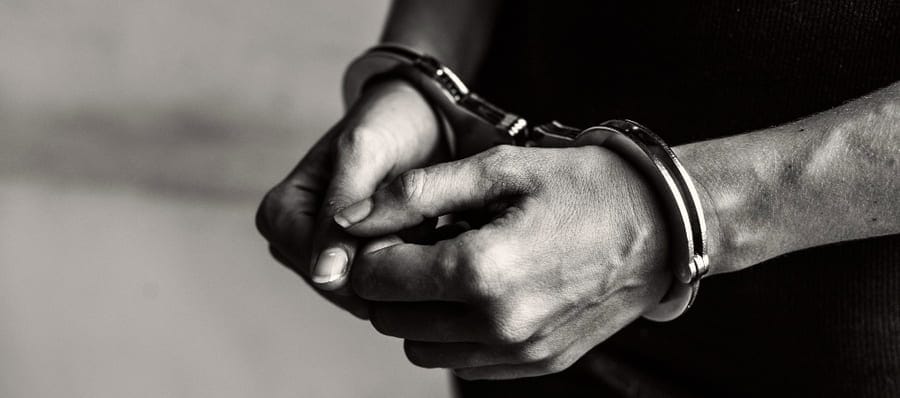
When someone faces criminal charges in Florida, the experience often proves both serious and deeply unsettling. Whether the allegations involve a relatively minor misdemeanor or a more severe felony, the potential consequences can reshape a person’s entire life. Fines, probation, time behind bars, and lasting damage to career prospects and personal reputation are all possible outcomes.
“Gaining a clear understanding of what a criminal defense attorney actually does provides much-needed clarity during a period filled with uncertainty,” says Jason Porter of Law Offices of Jason K.S. Porter, P.A.
Protecting Rights From the Very Beginning
The work of a criminal defense attorney begins immediately following an arrest or upon learning that charges may be forthcoming. Getting legal help early is critical because statements made to police officers, even casual or seemingly harmless remarks, can dramatically influence how a case ultimately unfolds.
Guidance During Arrest and Investigation
One of the most fundamental responsibilities of defense counsel is ensuring that the accused fully understands their constitutional rights. These include the right to remain silent and the right to have an attorney present during questioning. Florida law requires police officers to follow strict procedures when making arrests and conducting interrogations.
A defense attorney carefully examines whether the arrest was supported by what the law calls probable cause, whether any searches conducted complied with Fourth Amendment protections, and whether any statements were obtained in ways that violated Miranda rights. Getting involved early in a case can prevent mistakes that might otherwise make the prosecution’s job easier.
Examining Evidence and Identifying Possible Defenses
Criminal cases in Florida typically involve numerous types of evidence, including police reports, witness statements, surveillance camera footage, forensic laboratory analyses, and various forms of digital evidence. Defense counsel carefully examines each piece to evaluate both its reliability and its admissibility in court. Weaknesses discovered in the prosecution’s case may provide grounds for having charges dismissed, getting charges reduced to less serious offenses, or gaining leverage during negotiations.
Attorneys also evaluate what defenses might apply under Florida law. These could include arguments such as mistaken identity, lack of criminal intent, self-defense, violations of constitutional rights, or simply that the evidence falls short of what is needed to prove the charges. Every defense strategy is tailored to the specific facts of the case and the legal elements prosecutors must prove.
Motions and Hearings Before Trial
The pretrial phase represents one of the most critical periods in Florida criminal defense work. Attorneys may file motions seeking to suppress unlawfully obtained evidence, motions seeking dismissal of charges for legal defects, or requests for discovery materials under Florida’s criminal procedure rules.
During this stage, defense counsel engages in discussions with prosecutors from the State Attorney’s Office. Many criminal cases resolve before trial through negotiated plea agreements. A skilled attorney carefully evaluates whether any proposed plea terms are fair and whether accepting such terms aligns with what the client hopes to achieve in the long run.
Crafting an Effective Trial Approach
Preparing for trial involves numerous tasks, including selecting jurors, preparing witnesses to testify, organizing exhibits and evidence, and developing persuasive arguments to present to the jury. Florida criminal trials require prosecutors to prove guilt beyond a reasonable doubt, the highest standard of proof in the legal system. The objective of defense counsel is to challenge whether the evidence presented by the State is sufficient and whether it should be believed.
Attorneys conduct cross-examination of prosecution witnesses, present testimony from defense witnesses when appropriate, and argue motions concerning what evidence the jury should be allowed to consider.
Conclusion
The role of a criminal defense attorney in Florida extends far beyond simply appearing in courtrooms. From safeguarding constitutional rights during the investigation phase to negotiating plea agreements, litigating pretrial motions, and providing powerful advocacy at trial, defense counsel serves as the primary legal protector for anyone accused of a crime. For anyone facing criminal charges, understanding what to expect from a criminal defense attorney provides both clarity about the process ahead and confidence during what is undoubtedly one of life’s most challenging experiences.


