
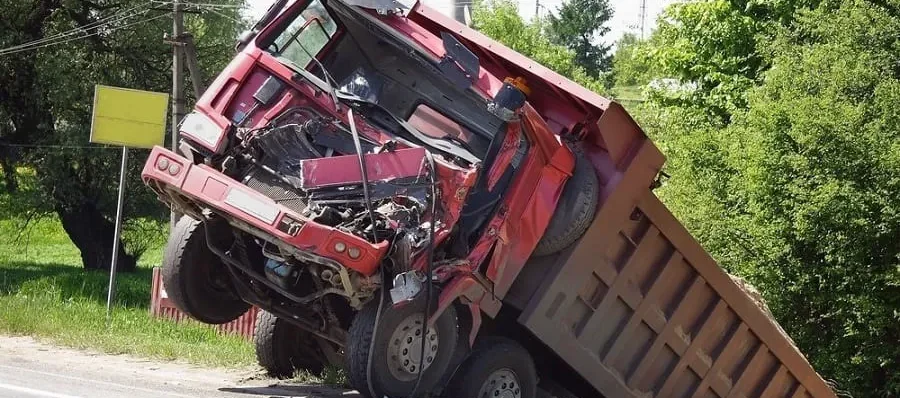
Commercial truck accidents are often far more complex than typical passenger vehicle collisions. The size and weight of tractor-trailers, delivery trucks, and other commercial vehicles can result in catastrophic injuries, extensive property damage, and even fatalities. While determining fault in a standard car accident may involve only two drivers, truck accident claims frequently require investigating multiple parties who may share responsibility for the crash.
Understanding who can be held liable after a commercial truck accident is critical for anyone seeking compensation. Identifying every responsible party not only strengthens a personal injury claim but can also help injured victims recover the full compensation they need for medical expenses, lost wages, pain and suffering, and other damages.
Why Truck Accident Cases Are More Complicated
Commercial trucking is governed by both state laws and federal regulations. Drivers, trucking companies, maintenance providers, cargo loaders, and manufacturers all have legal duties designed to promote roadway safety.
When an accident occurs, investigators must determine not only what happened but also whether any individual or company failed to meet those legal obligations. Because several parties may contribute to the same collision, truck accident cases often involve extensive evidence, multiple insurance policies, and complex legal issues.
The Truck Driver
The commercial truck driver is often the first person considered when determining liability.
Drivers have a duty to operate their vehicles safely and follow all traffic laws. They must also comply with federal regulations governing hours of service, vehicle inspections, and recordkeeping.
A truck driver may be liable if the accident resulted from:
- Speeding
- Distracted driving
- Fatigued driving
- Driving under the influence
- Reckless or aggressive driving
- Improper lane changes
- Following other vehicles too closely
- Failure to obey traffic signals
Federal hours-of-service rules are intended to reduce driver fatigue by limiting the number of consecutive hours commercial drivers can operate without rest. If a driver violates these regulations and fatigue contributes to a crash, those violations may become important evidence in a personal injury claim.
The Trucking Company
In many cases, the trucking company itself may be held liable in addition to—or instead of—the driver.
Employers are generally responsible for the actions of employees who are performing their job duties. This legal principle, known as respondeat superior, often allows injured victims to pursue claims against the trucking company when its driver causes an accident during the course of employment.
A trucking company may also be directly liable if it:
- Failed to properly train drivers
- Hired an unqualified driver
- Failed to conduct background checks
- Encouraged drivers to violate safety regulations
- Ignored maintenance requirements
- Failed to monitor driver qualifications
- Allowed unsafe vehicles on the road
Because trucking companies typically carry substantially larger insurance policies than individual drivers, identifying company liability is often an important aspect of pursuing full compensation.
The Owner of the Truck or Trailer
Sometimes the company that owns the truck is different from the company operating it.
Commercial trucks may be leased, rented, or owned by separate entities. If the owner failed to properly inspect, maintain, or repair the vehicle, they could share responsibility for an accident.
Ownership records, maintenance agreements, and lease contracts often become important pieces of evidence during an investigation.
Maintenance and Repair Companies
Large commercial fleets frequently outsource vehicle maintenance to third-party repair companies.
If brakes, tires, steering components, lights, or other critical safety systems fail because of negligent maintenance or improper repairs, the maintenance provider may bear responsibility for the resulting accident.
Examples include:
- Improper brake repairs
- Failure to replace worn tires
- Negligent inspections
- Poor maintenance records
- Defective repairs
Maintenance logs and inspection reports can help determine whether mechanical failures contributed to the collision.
Cargo Loading Companies
Improperly loaded cargo is another common cause of commercial truck accidents.
Cargo that shifts during transport can affect a truck’s balance, increase stopping distance, or even cause rollovers.
Companies responsible for loading freight may be liable if they:
- Overloaded the truck
- Failed to secure cargo
- Loaded cargo unevenly
- Violated federal cargo securement regulations
- Used defective tie-down equipment
Determining whether improper loading contributed to the crash often requires reviewing shipping records and inspection reports.
Truck or Parts Manufacturers
Not every truck accident results from driver error.
Sometimes a defective component causes or contributes to the collision.
Examples include:
- Brake failures
- Tire blowouts
- Steering defects
- Transmission failures
- Faulty trailer hitches
- Lighting defects
- Airbag failures
When a defective product causes an accident, the manufacturer, distributor, or supplier may be held liable under product liability laws.
These cases often require engineering experts to determine whether a design or manufacturing defect played a role in the collision.
Government Entities
Although less common, government agencies may occasionally share liability.
Poorly maintained roads, defective traffic signals, inadequate construction zone warnings, or dangerous roadway designs can contribute to serious truck accidents.
Claims involving government entities typically involve special filing requirements and shorter deadlines, making prompt legal advice especially important.
Multiple Parties Can Share Liability
One of the defining characteristics of commercial truck accident cases is that responsibility is often shared.
For example, an investigation may reveal that:
- The driver was speeding.
- The trucking company ignored hours-of-service violations.
- The maintenance contractor failed to repair worn brakes.
- The cargo company overloaded the trailer.
Each party’s negligence may have contributed to the accident.
Because commercial truck crashes frequently involve multiple defendants, experienced New Jersey truck accident attorneys conduct thorough investigations to identify every potentially responsible party and every available source of insurance coverage.
Evidence Is Critical
Truck accident evidence can disappear quickly if it is not preserved.
Important evidence may include:
- Driver logbooks
- Electronic logging device (ELD) data
- Black box (event data recorder) information
- Dash camera footage
- Maintenance records
- Driver qualification files
- Inspection reports
- Cargo manifests
- GPS tracking data
- Witness statements
- Police reports
- Surveillance video
Many of these records are controlled by the trucking company and may only be retained for a limited period. Prompt investigation can help preserve valuable evidence before it is lost or destroyed.
Why Determining Liability Matters
Identifying every liable party is about more than assigning blame—it can significantly affect the amount of compensation available to an injured victim.
Commercial trucking companies often carry insurance policies with much higher coverage limits than private motorists. When multiple parties share responsibility, there may also be multiple insurance policies available to compensate victims for:
- Medical expenses
- Future medical treatment
- Lost income
- Reduced earning capacity
- Property damage
- Pain and suffering
- Permanent disability
- Wrongful death damages
A comprehensive investigation helps ensure that injured individuals pursue all available avenues of recovery.
Final Thoughts
Commercial truck accident claims are among the most complex personal injury cases because they often involve multiple parties, extensive evidence, federal safety regulations, and significant financial stakes. While the truck driver may appear to be the obvious responsible party, liability can also extend to trucking companies, maintenance contractors, cargo loaders, vehicle owners, manufacturers, and even government entities depending on the circumstances of the crash.
Because every accident presents unique facts, a thorough investigation is essential to determine who may be legally responsible. For individuals injured in a commercial truck accident, working with an experienced personal injury attorney can help identify all potentially liable parties, preserve critical evidence, and pursue the compensation needed to recover after a serious collision.Scura, Wigfield, Heyer, Cammarota & Gonzalez represents individuals throughout New Jersey in complex personal injury matters, including commercial truck accidents. By conducting detailed investigations and evaluating every potential source of liability, the firm’s attorneys help clients navigate the legal process while advocating for the compensation they deserve.