

In our modern world, navigating legal and financial challenges has become increasingly complex. These issues touch every aspect of life, affecting individuals, families, businesses, and even global relations. Understanding these challenges is key to making informed decisions and protecting what matters most.
This extensive guide will explore a wide array of these difficulties. We will examine the unique pressures faced by the Sandwich Generation. We will look at the financial impact of gray divorces. Our discussion will also cover the public health concerns linked to criminal justice debt. We will highlight the economic benefits of civil legal aid. Furthermore, we will analyze intricate corporate governance problems and international disputes over frozen assets. Finally, we will delve into high-net-worth taxation and calls for greater financial transparency.
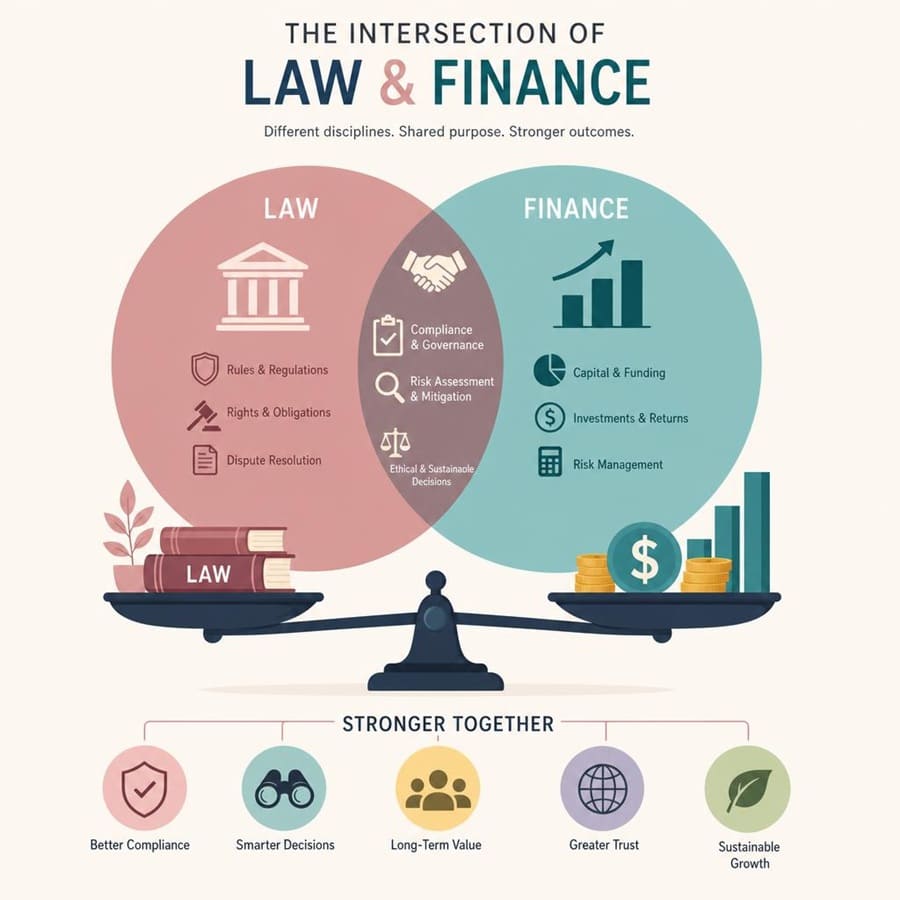
Managing the Legal and Financial Challenges of Multigenerational Care
The “Sandwich Generation,” typically individuals in their late 30s to 50s, finds itself in a unique and often challenging position: simultaneously caring for aging parents and raising their own children. This dual responsibility brings a host of legal and financial complexities that demand careful navigation. Without proper planning, caregivers can face significant legal liabilities and financial strain, leading to family disputes and costly mistakes.
Overlapping Costs: Elder Care and Child Education
One of the most significant burdens for the Sandwich Generation is the overlapping financial demands of elder care and child education. These concurrent expenses can create immense financial strain, stretching household budgets to their limits. Elder care costs can include in-home assistance, nursing home facilities, medical expenses not covered by insurance, and daily living support. Simultaneously, parents are often funding college tuition, extracurricular activities, and other costs associated with raising children.
This financial squeeze can lead to difficult decisions about resource allocation, potentially impacting retirement savings, debt levels, and overall financial stability. Legal tools can help mitigate these risks by establishing clear financial boundaries and responsibilities. For instance, creating comprehensive family agreements can outline who is responsible for specific costs, how assets will be shared, and what expectations exist for caregiving duties. These agreements, though sometimes uncomfortable to discuss, can prevent future conflicts and ensure that all parties understand their roles.
How Estate Planning Mitigates Family Legal and Financial Challenges
Effective estate planning is paramount for the Sandwich Generation to protect themselves from liability and minimize family disputes. Establishing legal authority before caregiving duties begin is a best practice that can prevent many common pitfalls.
Key legal documents include:
- Durable Power of Attorney (POA): This grants a trusted individual the authority to make financial decisions on behalf of an aging parent, ensuring bills are paid, investments are managed, and assets are protected even if the parent becomes incapacitated.
- Healthcare Directives (Living Wills and Healthcare POAs): These documents allow individuals to express their wishes regarding medical treatment and designate someone to make healthcare decisions if they cannot. This prevents agonizing decisions for caregivers and reduces potential family disagreements.
- Wills and Trusts: These are crucial for outlining how assets will be distributed upon death, avoiding probate, and minimizing estate taxes. For the Sandwich Generation, trusts can be particularly useful for managing assets for both parents and children, setting up provisions for special needs, or protecting inheritances.
By proactively addressing these areas, caregivers can establish clear legal frameworks that guide decision-making and reduce the potential for conflict. Seeking professional guidance to Simplify legal financial challenges through comprehensive estate planning can provide invaluable peace of mind and protection for all involved.
Essential Estate Planning Documents:
- Durable Power of Attorney for Finances
- Durable Power of Attorney for Healthcare (Healthcare Proxy)
- Living Will
- Last Will and Testament
- Revocable Living Trust (often recommended for complex situations)
- Guardianship designations for minor children
- Beneficiary designations for retirement accounts and life insurance
Gray Divorce and Late-Life Asset Division
Divorce at any age is challenging, but “gray divorces”—those occurring after age 50—present a unique set of legal and financial hurdles. Often, these splits involve long-term marriages, established assets, and a closer proximity to retirement, making the stakes incredibly high.

How Gray Divorce Creates Unique Legal and Financial Challenges
Gray divorces frequently involve a different financial landscape than divorces earlier in life. A significant challenge lies like assets, which tend to be more illiquid. These often include the family home, retirement accounts (such as 401(k)s, IRAs, and pensions), and other investments that are not easily converted to cash without significant penalties or tax implications. Splitting these assets can drastically reduce retirement readiness for one or both spouses.
Furthermore, issues surrounding care for aging parents can complicate matters. If one spouse has been a primary caregiver for their own or their ex-spouse’s parents, the divorce can disrupt established care arrangements and financial support structures. Healthcare coverage also becomes a critical concern. Loss of employer-sponsored health coverage can be a shock for spouses not yet eligible for Medicare, potentially leading to substantial out-of-pocket medical expenses. Income changes resulting from divorce may even trigger Income-Related Monthly Adjustment Amount (IRMAA) surcharges, affecting future Medicare premiums.
TABLE: Traditional Divorce vs. Gray Divorce Legal and Financial Dynamics
Feature Traditional Divorce (Younger Couples) Gray Divorce (After 50) Asset Composition Liquid assets, early career savings, future earning potential Illiquid assets (home equity, retirement accounts), established wealth Retirement Impact Opportunity to rebuild savings, longer working years Significant impact on retirement readiness, shorter time to recover Healthcare Often employer-sponsored, less concern for Medicare eligibility Loss of coverage, Medicare eligibility gaps, IRMAA surcharges Parental Care Less common, or for younger children Often involves care for aging parents, disrupted arrangements Spousal Support Often rehabilitative, for a defined period Longer term, potentially permanent, higher amounts Estate Planning Focus on minor children Re-evaluation of beneficiaries, trusts, and legacies Addressing Cognitive Decline and Healthcare in Late-Life Splits
The presence of early cognitive decline or chronic illness in one spouse can further complicate gray divorce proceedings. Assessing a party’s capacity to enter into agreements becomes crucial, and legal avenues like guardianship or supported decision-making may be necessary. Rather than contentious litigation, comprehensive planning with trusts and supported decision-making is often more practical in such cases, ensuring the best interests of the vulnerable spouse are protected while navigating the divorce.
Long-term care planning is another vital consideration. Divorce can impact access to long-term care insurance or eligibility for government programs. Attorneys specializing in elder law and divorce can help structure settlements that account for these future needs, protecting both parties from unexpected healthcare costs as they age.
Public Policy, Civil Legal Aid, and Systemic Debt
Beyond individual and family challenges, legal and financial issues also manifest at the societal level, influencing public health and economic stability. Public policy plays a critical role in addressing systemic issues like access to justice and the burden of debt.
The Economic ROI of Civil Legal Aid
Civil legal aid is not merely about access to justice; it is also a fiscally responsible investment that delivers substantial economic returns to taxpayers and communities. Investing in civil legal aid helps prevent costly societal problems before they escalate. For instance, legal aid can prevent wrongful evictions and foreclosures, securing housing for vulnerable individuals and families. It helps secure unpaid wages, veterans’ benefits, and child support, putting money back into local economies.
Research consistently demonstrates the significant economic benefits. For every $1 invested in civil legal aid, the average return on investment is $6.72 across multiple states. Some states have seen even higher returns, with Louisiana reporting an ROI of $17.99 for every $1 invested in 2022. These returns come from reduced burdens on government services (like emergency shelters and healthcare), increased tax revenues, and the economic multiplier effect as secured funds circulate through local businesses. Civil legal aid acts as a critical loss prevention tool, saving taxpayer money and fostering economic stability.
Criminal Justice Debt as a Public Health Crisis
Legal financial obligations (LFOs), often referred to as criminal justice debt, are fines, fees, and restitution imposed by the justice system. While intended to serve as punishment or recoup costs, these debts disproportionately affect low-income individuals and can have profound public health consequences.
The burden of criminal justice debt is increasingly recognized as a social and environmental determinant of health. Individuals experiencing significant debt stress often report higher rates of stress, anxiety, and physical illnesses. For example, among individuals with significant debt stress, 27% suffered from ulcers or digestive problems, compared to just 8% in low-stress groups. This stress exacerbates pre-existing health disparities among low-income populations, contributing to a cycle of poverty and poor health outcomes.
Addressing criminal justice debt requires a multi-faceted approach, including reforms to sentencing, collection practices, and increased access to legal support. For those struggling with overwhelming financial burdens, exploring AI debt defense strategies can be a modern approach to navigating complex legal and financial obligations, potentially offering pathways to relief and improved well-being.
Corporate Governance and Sovereign Asset Disputes
The globalized economy introduces complex legal and financial challenges related to corporate governance, cross-border transactions, and the handling of sovereign assets in times of geopolitical tension. These issues often involve multiple jurisdictions, intricate financial structures, and high-stakes litigation.
Lessons from the Eagle Football Holdings Collapse
The collapse of multi-club ownership models, such as Eagle Football Holdings, serves as a stark warning regarding the complexities of cross-border financial transfers, governance disputes, and creditor rights in international sports. The network faced a staggering $1.2 billion mezzanine debt burden, ultimately leading to the administration of its holding company and the liquidation of its stakes in multiple clubs.
A key issue was the “caixa único” (single-account) treasury system, which facilitated rapid cross-border capital transfers but created systemic vulnerabilities. When this system was unilaterally terminated, it triggered a cascade of legal disputes. For example, Botafogo’s €125 million claim against Olympique Lyonnais involved inter-group cash pooling, phantom player transfers, and diverted capital, highlighting how internal financial arrangements can quickly escalate into multi-jurisdictional litigation. Auditors even refused to certify Olympique Lyonnais’s going concern status due to reliance on speculative capital events, including a planned NYSE IPO.
This case underscores the critical need for robust governance, clear documentation of intra-group loans, and compliance with local regulatory requirements in complex international corporate structures. In such intricate financial unravelings, identifying and locating assets and parties across borders becomes crucial for creditors. Services that provide a Premium address locator can be invaluable in navigating the aftermath of such collapses, helping to trace individuals and entities involved in the financial web.
The Geopolitics of Frozen Russian Assets
The freezing of Russian assets in response to geopolitical events has created unprecedented legal and financial challenges on the international stage. As of late March 2026, approximately €200 billion in Russian sovereign assets were frozen at Euroclear, a major international central securities depository. The question of how these assets can be used to support Ukraine has led to significant legal debate and action.
The Central Bank of Russia (CBR) has initiated lawsuits in EU courts, seeking to recover these frozen assets. While these lawsuits may appear to have a low chance of outright victory, they serve a strategic purpose: to establish a legal position for future negotiations on partial unfreezing of assets and mutual recognition of court decisions. The legal complexities are immense, touching upon principles of sovereign immunity and the interpretation of international investment treaties. The Bank of Russia’s lawsuit seeking to recover €200 billion highlights the scale of these international legal and financial disputes over sovereign assets, with profound implications for international law and financial stability.
High-Net-Worth Taxation and Public Accountability
As wealth concentration grows, so does public scrutiny of high-net-worth individuals and institutions, leading to new legal and financial challenges related to taxation and transparency.
Constitutional Vulnerabilities of the 2026 California Billionaire Tax Act
The proposed 2026 California Billionaire Tax Act aims to impose a 5% tax on the global net worth of billionaires who were California residents as of January 1, 2026, with taxable wealth measured as of December 31, 2026. While intended to generate significant revenue, this act faces substantial legal challenges due to its unique design.
The primary vulnerabilities stem from its residency and valuation date provisions. The January 1, 2026, residency snapshot date, which precedes voter adoption by more than ten months, and the December 31, 2026, valuation date create a legal quagmire. Critics argue that this structure effectively functions as an unconstitutional exit tax, interfering with the right to travel and raising due process concerns. Taxing wealth acquired after departure from California, or imposing a tax retroactively on a wholly new tax, is likely to face strict scrutiny under established legal precedents. California courts have historically been reluctant to reform tax statutes that violate constitutional principles, suggesting the act could be invalidated entirely. This vulnerability might prompt billionaires to respond by relocating their residency before the January 1, 2026, date to avoid the tax.
Crown Estate Property Arrangements and Public Transparency
The financial arrangements between the Crown Estate and the Royal Family in the UK have increasingly come under public scrutiny, raising questions about financial transparency and public accountability. The Crown Estate, a vast portfolio of land and property belonging to the monarch “in right of the Crown,” generates significant profits, a portion of which is paid to the Sovereign Grant, which funds the Royal Family’s official expenses.
However, arrangements such as subsidized rents for non-working royals, like Prince Edward’s heavily subsidized rent for Bagshot Park, have sparked debate. While working royals like William and Kate reportedly pay full market rent for their residences, historical practices and ongoing subsidies for others raise concerns about fairness and the use of public funds. The Public Accounts Committee has launched audits into Crown Estate deals with the Royal Family, reflecting a growing public demand for greater transparency regarding the Windsors’ financial dealings. This ongoing debate highlights the delicate balance between tradition, public funding, and modern expectations of accountability for institutions with significant public profiles.
Frequently Asked Questions
What is the economic return on investment for civil legal aid?
Civil legal aid offers a substantial economic return on investment (ROI). For every $1 invested, the average return is $6.72, with some states seeing returns as high as $17.99. This ROI is generated through various mechanisms, including preventing evictions, securing benefits, reducing healthcare costs, and fostering economic stability, ultimately saving taxpayers money by avoiding more expensive interventions.
Why is the 2026 California Billionaire Tax Act facing legal challenges?
The 2026 California Billionaire Tax Act faces legal challenges primarily due to its residency and valuation date provisions. Critics argue that its retroactive application as a wholly new tax and its attempt to tax wealth acquired after a taxpayer leaves the state violate due process and the constitutional right to travel. These issues create a lack of “minimum connection” required for taxation and could lead to the act being deemed unconstitutional.
How do frozen sovereign assets impact international law?
Frozen sovereign assets, such as the €200 billion of Russian assets at Euroclear, significantly impact international law by challenging principles of sovereign immunity and property rights. These situations lead to complex legal disputes in international courts, raising questions about the legality of asset seizures, the use of such assets for reparations (e.g., to Ukraine), and the interpretation of bilateral investment treaties. The outcomes of these cases could set precedents for how sovereign assets are treated in future geopolitical conflicts.
Conclusion
Navigating the intricate landscape of legal and financial challenges is a defining aspect of our current era. From the personal burdens of the Sandwich Generation and the complexities of gray divorce to the systemic issues of criminal justice debt and the global implications of corporate collapses and frozen sovereign assets, these challenges demand strategic planning and informed action.
Understanding the legal tools available—such as estate planning documents, powers of attorney, and healthcare directives—is crucial for individuals and families to build financial resilience and protect their interests. Recognizing the economic value of civil legal aid and addressing the public health crisis of criminal justice debt are vital steps toward a more equitable society. Furthermore, the lessons learned from corporate governance failures and the ongoing debates around high-net-worth taxation and royal financial transparency underscore the continuous need for robust legal frameworks and public accountability in a rapidly evolving world. By confronting these challenges head-on, we can better prepare for the future and foster greater stability and justice for all.